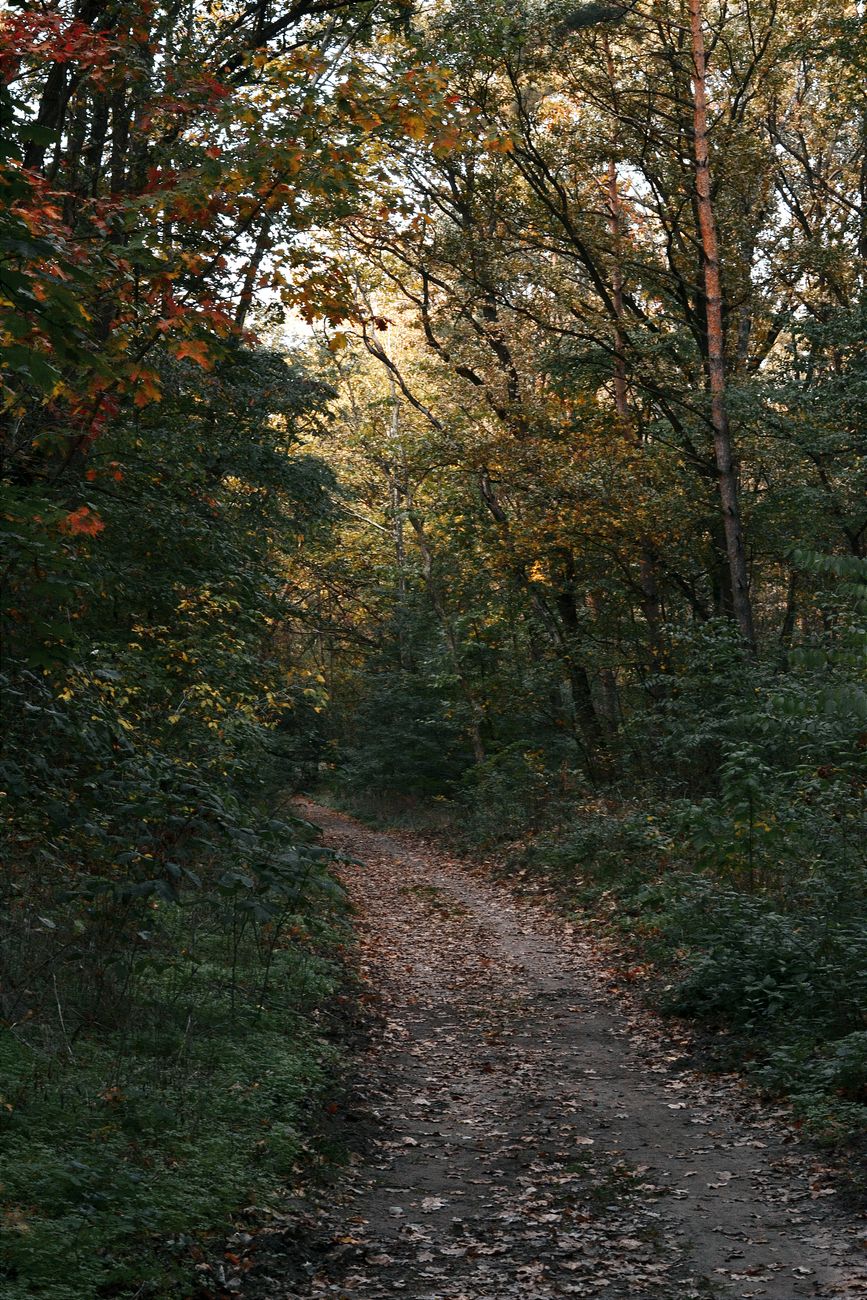
“In a wood, you go for a walk. If you’re not forced to leave it in a hurry to get away from the wolf or the ogre, it is lovely to linger, to watch the beams of sunlight play among the trees and fleck the glades, to examine the moss, the mushrooms, the plants in the undergrowth. Lingering doesn’t mean wasting time…” — Umberto Eco, Six Walks in the Fictional Woods
It’s probably no surprise that a book using a walk in the woods as a metaphor for the complex experiences of writing and reading fiction has quickly become one of my favorites. I’ve only read through chapter 3, or rather, the third lecture, but I feel that I’ve already learned more about the art of fiction than I have reading other, more popular, books on writing fiction.
Six Walks in the Fictional Woods by Umberto Eco is a collection of Eco’s Norton Lectures at Harvard University in 1992-1993. The lectures were not meant to be a workshop on writing craft, but as they are collected in the book, they form a helpful dissection of what makes successful fiction successful. They’ve certainly given me a lot to think about.
I’ve also been reading The Book of Margery Kempe again (as mentioned in a previous post) and thinking about medieval female religious experience. I had already read Sigrid Undset’s biography of St. Catherine of Siena earlier this year, and Margery was certainly influenced by female mystics of her time. Both women lived in the 14th century, and while there would have been differences between their post-Black Death practice of the faith and the experiences of the characters in my current novel living in the early 13th century, they would have shared more than they share with us today.
Finally, on my nightstand, I also have a copy of Mark Twain’s Personal Recollections of Joan of Arc which I have been slowly reading in the in-between times. A very dear friend sent it to me, and it’s a delightful read in which Twain makes clear his deep admiration for St. Joan while describing the events of her life in his typical conversational style.
These books have been invaluable to me as I get deeper into the woods of my own novel — observing the scenery, lingering, and choosing paths. This is, by far, the most complex and longest work I’ve written in my life, and I want to do my characters (who I’ve become quite fond of) justice. Some writers will say that you must read x number of books in your own genre before you can even begin writing, but I think that’s too restrictive. Books were my first friends as a child, and to me, checking in with the ones who have something to say in this season of my life and writing is more important than an arbitrary quota.
So, it’s back into the woods I go — as a clearer of paths and as a curious ambler — to read and to be read.
Photo by Molnu00e1r Tamu00e1s Photographyu2122 on Pexels.com



Leave a comment